
Planting for Success: When and How to Establish a Sustainable Landscape in Minnesota and Wisconsin
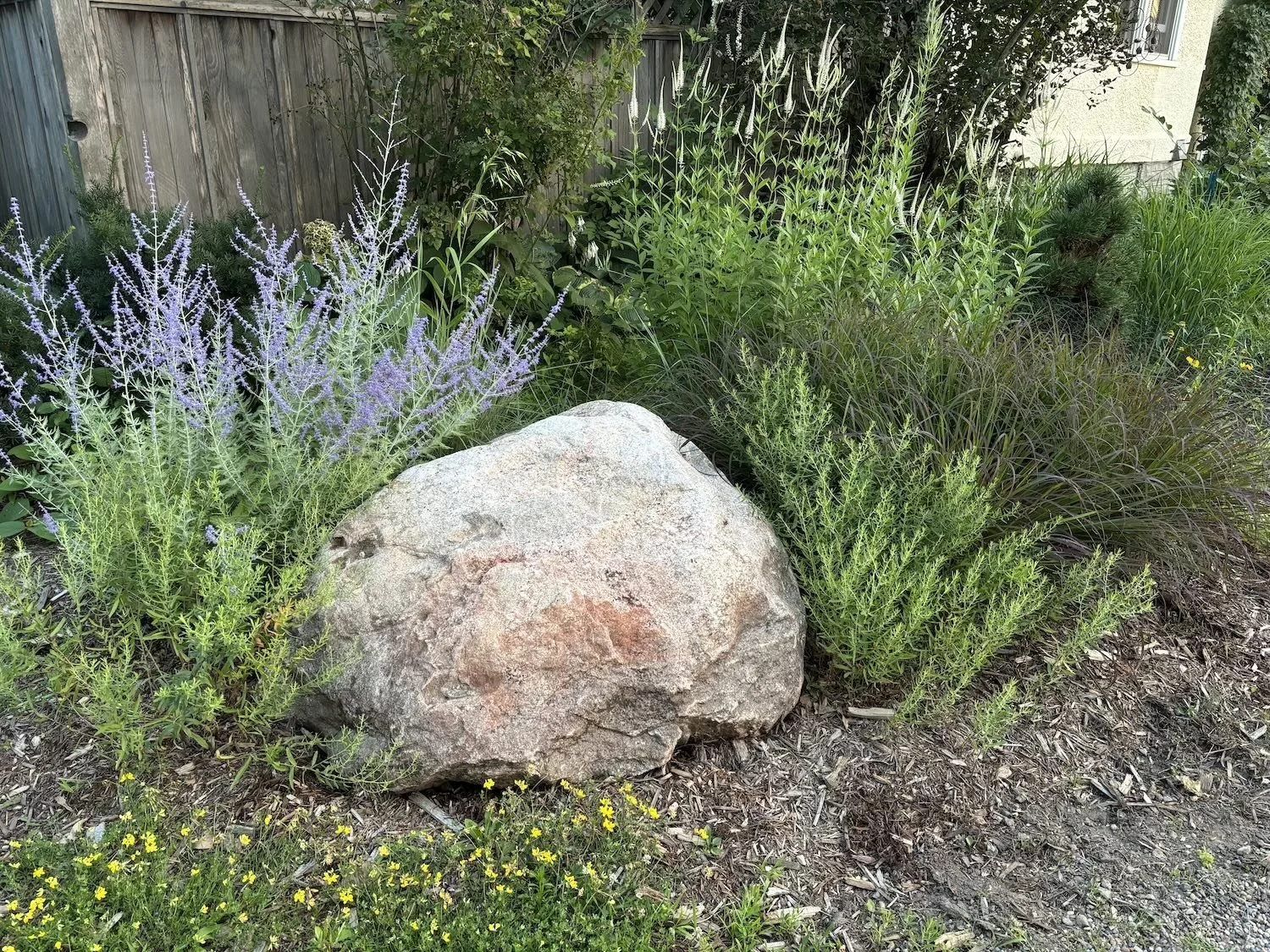
A well-established sustainable border featuring Russian Sage (a pollinator magnet), native Culver’s Root, Asters and moody Switchgrass cultivars. Notice how the shredded hardwood mulch provides a clean "cap" that keeps the soil moist and the weeds at bay at this dry driveway edge, which also gets pummeled by snow all winter.
When it comes to sustainable landscapes, a key component is the self-sustaining aspect. When we’re mimicking nature for the benefit of all living creatures, it also pays to work with the seasons to establish plants when they’re most likely to thrive on their own—without great effort on our part to keep them alive through constant watering and weeding.
The Best Time to Plant in Minnesota & Wisconsin
A common (and valid) question I get from design clients is when the best planting times are during the growing season. This comes down to a few factors, such as temperature, water availability, and ultimately, what will give them the best head start to outcompete undesirable vegetation.
The simplest answer is that Spring and Fall are the primary planting times here in Minnesota and Wisconsin:
Spring: Late April to June 15th
Fall: Early September to October 15th
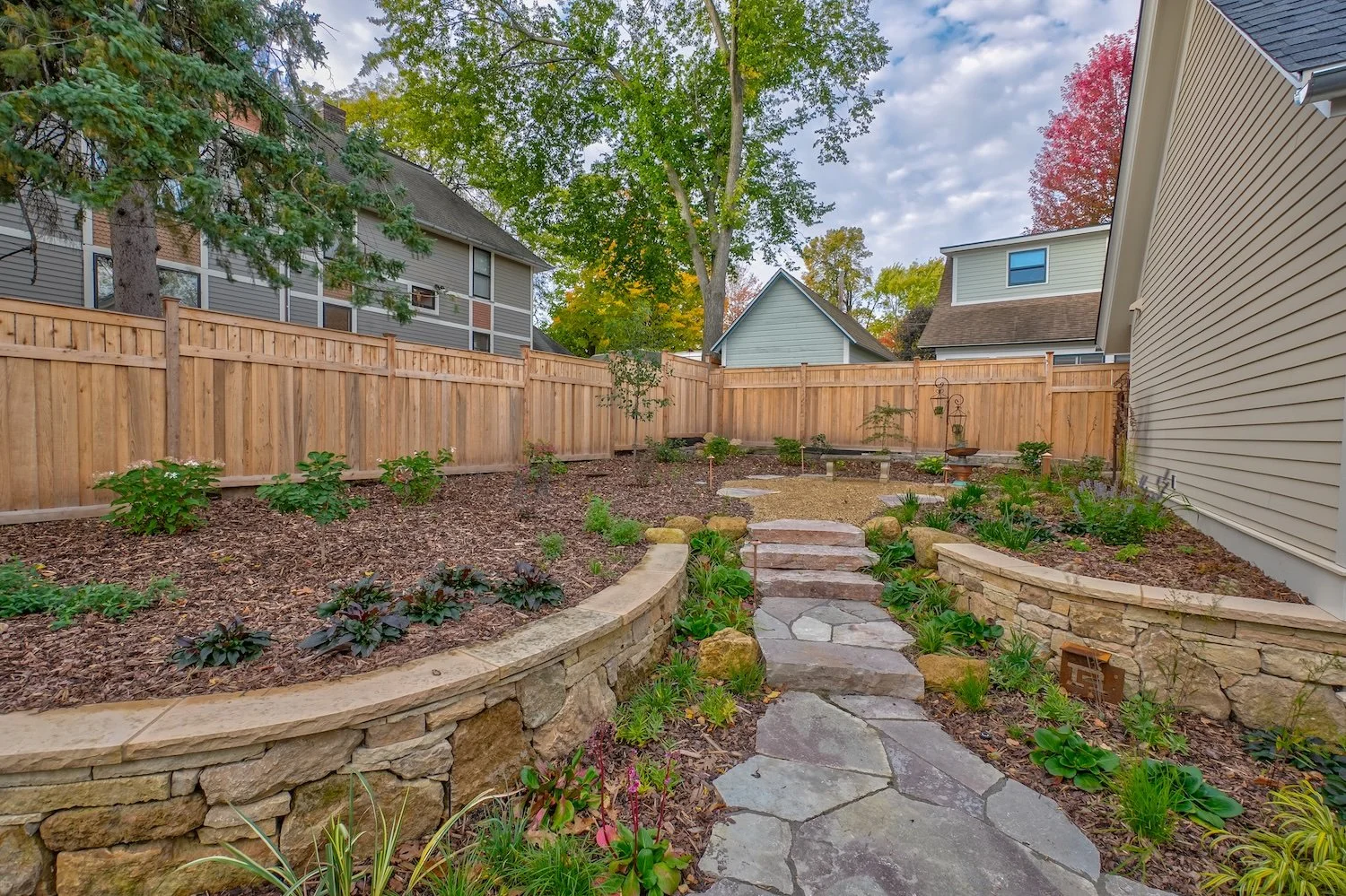
Establishing a new landscape in the fall (September to mid-October) allows these perennials and shrubs to settle into their new home before the winter freeze. The cooler air and warm soil are the perfect recipe for reducing transplant shock.
Cooler temperatures and higher soil moisture levels allow plant roots to establish more easily, meaning plants are less stressed by heat and drought. Think about the energy it takes to organize a new home when you move; plants do the same thing, expending great energy to set the foundation for their long-term health. We want to give them the best head start possible.
Right Plant, Right Place: Soil and Site Prep
When planting native and edible plants for your ecological landscape, considerations vary regarding soil preparation. Generally, I look at these key factors before choosing species:
Soil Type This is the ratio of sand, silt, clay, and loam. High sand content means quick drainage, while clay holds onto water strongly, which can result in waterlogging and oxygen-poor root zones in areas which don’t drain readily.
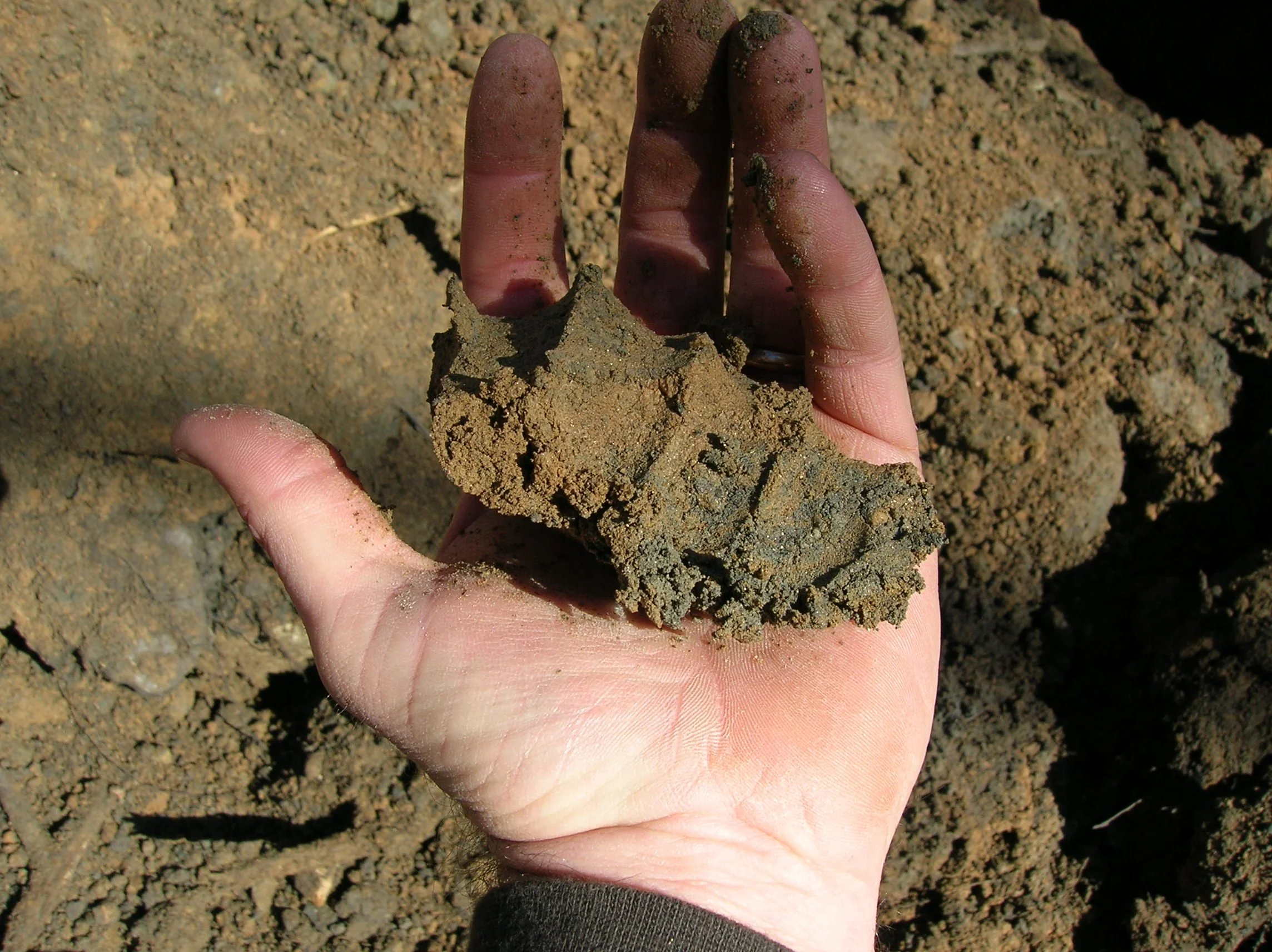
This is a rough example of the “soil ribbon” technique. If your soil sticks together readily when slightly damp, and can make an elongated, 1/2” dia. “soil snake”, this is a rough measure of clay content. You can also see the gritty nature of the sand in this image, which shows this is a sandy clay soil with a bit of dark organic matter, which helps with low-maintenance plant selection for this specific yard.
To find your soil type, I recommend the “Jar Method.” It uses a simple jar and water to find your soil composition and organic matter levels. Just search online for Clemson University’s Jar Test instructions—it’s a great activity to do with kids!
Nutrition and Microclimates If you’re planting natives, a chemical soil test (Nitrogen, Phosphorus, Potassium) isn't always necessary. In the Midwest, most natives can be selected based on soil type, moisture, and sunlight. Look at where these species naturally occur—like dry bluffs or shady glens—to see how your yard’s microclimates match up.
While many plants benefit from organic matter, most prairie natives will not perform well in over-fertilized soils. It is much better to select species that match your existing conditions than to try and force a plant into the wrong environment. "Right plant, right place" ensures a lower-maintenance landscape from day one.
Giving Plants a Head Start
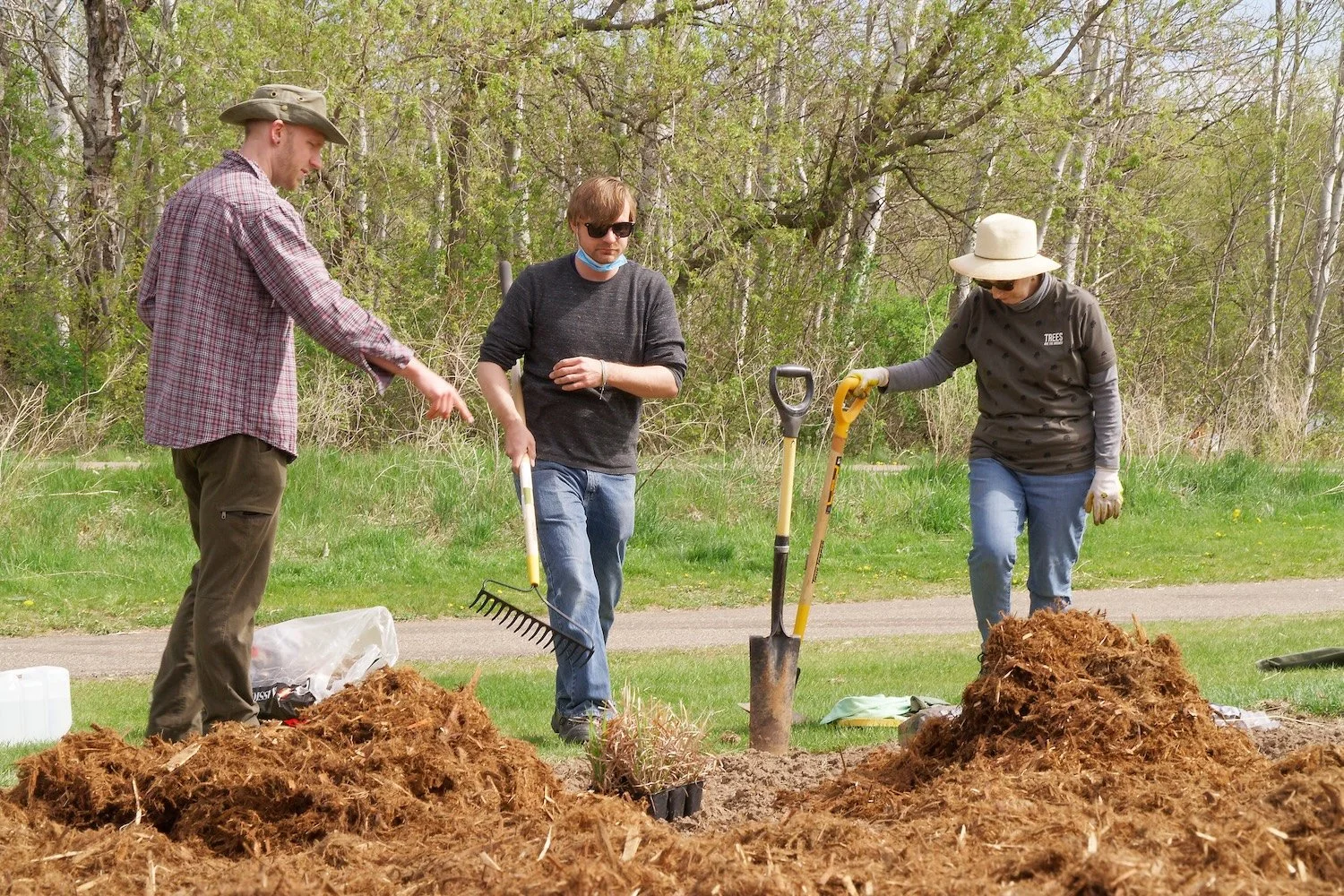
Artisan Environments LLC owner/designer Pete Widin at left helping lead a volunteer pollinator/songbird garden planting day with Sustainable Stillwater at the Brown’s Creek Trailhead. A deep watering and thick, 4” layer of shredded mulch at planting time set this planting up for success, which can still be seen thriving at Brown’s Creek Park near the playground. This planting receives no watering other than natural rainfall. That’s the difference a proper initial planting and mulching can make in the long term establishment of well-selected native plants. Shout out to Landscape Alternatives in Shafer, MN for providing such wonderful plant stock!
When physically planting—whether it's a native plug or a large tree—always make your planting hole an inch or so wider than the root ball to allow for softer soil around new roots.
Firming the Soil: Pack soil firmly (but not too hard) around the root ball to ensure thorough contact and eliminate air pockets. This avoids the settling of soil around the root ball later on.
The "Cap" and Mulch: I cover the top of the root ball with a ½” cap of native soil and 4” of shredded hardwood mulch. This protects the light potting soil that nursery plants come rooted in from evaporating too quickly and drastically reduces weed pressure.
Watering for Long-Term Health
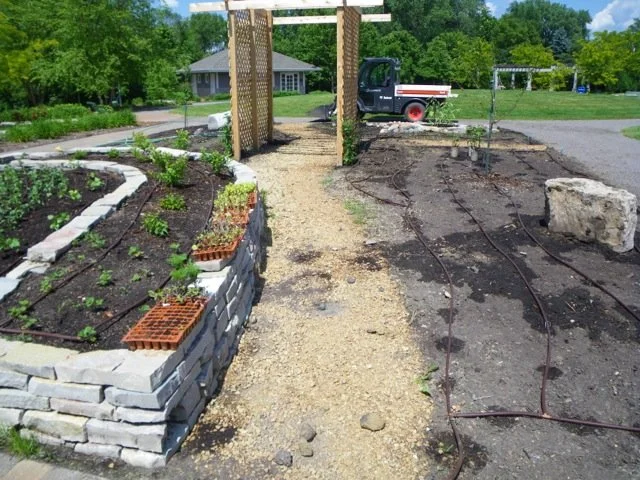
Depending on your goals, drip irrigation can be a helpful addition to a planting installation before plants are installed and mulch is laid down. This edible landscape Pete helped to design and install at Muriel Sahlin Arboretum in Roseville, MN will have vastly reduced maintenance to keep fruiting plants productive and thriving during the establishment/rooting phase and into the future with our increasingly common summer droughts.
You’ll want to give all plants a "good long drink" right after they’re planted to help them cope with transplant shock. Using an average watering wand, I recommend:
Plant Type Watering Duration
Perennials 10 seconds (For first growing season)
Shrubs 20 seconds (For first+second growing season)
Trees 60 seconds (For first+second growing season)
For the first few months plants are in the ground, water deeply 2-3 times per week. Deep soaking encourages roots to seek out deeper water supplies, which builds drought tolerance. If we get less than 1” of rain in a week or the top ½” of soil is dry, your new plantings will likely need a drink. Remember that if the plants are wilted looking and the soil is still quite damp, you’re likely overwatering.
Ready to transform your yard? If you have any questions or would like to set up a consultation to enhance your own landscape, feel free to reach out via the contact form here.
Happy Planting! ~ Pete